


iPhone 18 Pro’s September Launch Could Be Apple’s Smartest Strategy Yet

Apple's iPhone 18 Pro launch strategy could be smarter than ever. By waiting until September, Apple gains key advantages in pricing, software stability, AI, and holiday sales over Samsung and Google.
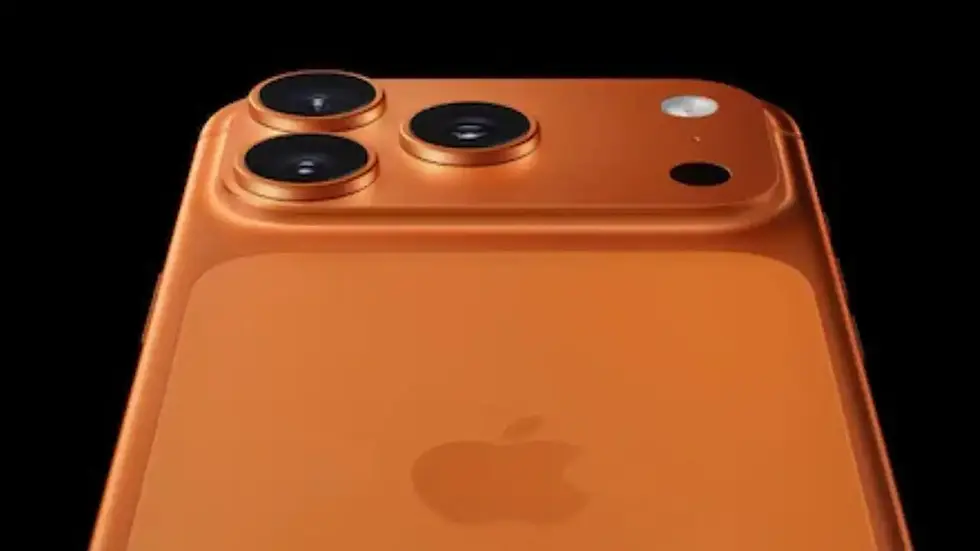
The new iPhone releases by Apple have always been very well-known to follow a fixed schedule; however, the choice of Apple to continue the trend of launching their iPhones in September in 2026 and unveil new models of iPhone 18 Pro, iPhone 18 Pro Max, and even an iPhone Ultra could become the company's biggest competitive advantage in 2026. Competitors of Apple such as Samsung and Google are actively trying to show off their newest premium smartphones in summer; however, it seems that Apple prefers to wait until the right moment.
The decision of Apple to release their product later rather than sooner does not seem any more as a mistake but turns into an intelligent business tactic.
Apple Lets Samsung and Google Test the Waters First
Samsung will release its latest Galaxy line of flagship smartphones in late July, and Google will be introducing its Pixel 11 line not long after that. On face value, having an earlier release date compared to Apple's would seem to be a huge advantage.
That is until you understand the whole plan by Apple.
Releasing in early September puts the task of setting consumer expectations for top-end smartphones on Samsung and Google. There is no question that Android manufacturers spend much money on marketing campaigns, promotions, bonuses for trade-ins, and partnerships with carriers in order to sell their smartphones early in the buying cycle.
Unfortunately, that buying cycle is not very long. Samsung will have only about six weeks before the iPhone comes into play, while Google will have less – around four weeks. The moment that Apple announces the new iPhone 18 Pro line, everyone in the smartphone industry will start looking at Cupertino.
Mobile carriers always kick off their annual upgrading campaigns in September and October, and traditionally, the iPhone plays an important role there.
iPhone 18 Pro Launch
September is associated with new iPhones and many buyers adjust their buying patterns according to the yearly launches by Apple.
Buyers are aware that a new iPhone is on the way and tend to avoid buying new smartphones during the summer months. Apple enjoys an advantage which few companies would be able to recreate.
Unlike many manufacturers, who vie for consumer attention in a highly competitive summer market, Apple enters the market when the buyers have started thinking about upgrading their phones in preparation for the holiday season.
The timing is also strategic in the light of contracts coming up for renewal for many carriers across important markets.
iOS 27 Could Give Apple Another Major Advantage
iOS is still one of the biggest competitive advantages of Apple, and the launch of iOS 27 is going to make Apple more powerful.
While updates in Android are released gradually among different companies, countries, and operators, Apple releases its new version of iOS at once for all compatible iPhone models. This way of release helps avoid software fragmentation which was one of the biggest problems for Android users.
Users who already have an iPhone will be able to update iOS 27 instantly, and people who are going to purchase a new iPhone 18 Pro will have the newest software installed right away. Thus, the newest AI capabilities will become popular almost instantly.
As far as Android 17 is concerned, there will be differences between different manufacturers who will release their versions of One UI 9 and Google which will release its Pixel version.
Public Beta Testing
Apple has been another beneficiary of its large public beta program.
Before the iPhone 18 Pro is made official, the iOS 27 would have undergone months of testing by developers and public beta testers using existing iPhones.
Apple will be able to iron out any bugs, optimize the performance and improve the user experience before the hardware is sold to consumers.
As reported by AppleInsider, the iOS 27's first public beta is expected to roll out this week with performance improvements and new intelligence from Apple's Artificial Intelligence (AI) and Siri integration.
It appears that the current developer builds have been concentrating more on the stability of the software than making any radical interface changes, and the iOS 27 looks like a classic case of refinement for Apple.
By the time of the release of iPhone 18 Pro in September, Apple would have collected weeks of data through testing making it more refined than other Android flagships that will be launched at the same time with their own new software.
Apple Intelligence
Artificial intelligence is projected to be one of the biggest trends in the world of smartphones in 2026. While Samsung and Google continue rolling out their cloud-based AI services, Apple will be working on a balanced solution that will combine cloud computing and privacy-friendly AI technologies.
In particular, iPhone 18 Pro lineup will boast updated silicon that will enable faster performance of Apple Intelligence technologies. It is worth mentioning that Apple will get an opportunity to assess the response of its potential buyers towards the cloud-based solutions offered by Samsung and Google.
Should the feedback be positive, Apple will have an opportunity to concentrate more on its smart technologies. Should customers raise their privacy concerns, Apple will be able to stress the advantages of its local AI solutions.
This way, Apple gets an important competitive advantage that its competitors just cannot have at the moment of the launch. According to industry analysts, there is ongoing concern regarding the increased cost of components, including memory, storage, and AI chips, resulting in higher production costs for smartphones. It means that all flagship smartphones' prices are anticipated to go up during the year.
The fact that Apple releases its new iPhone 18 Pro after Samsung and Google means that it takes advantage of some interesting psychological benefit.
By the time Apple launches its device, people will already know that the price is high because they will have witnessed increased prices for other flagships. This means that there won't be sticker shock when the company releases the device.
Instead, Apple can present its phone as a premium product that fits into the existing price range.
Information may well be Apple’s greatest strength. By September, the company will already know what kind of capabilities in their smartphones the consumer wants after seeing what Samsung and Google have launched.
If buyers like what they see in terms of foldable phones, AI subscription services, battery technology, camera tech, and privacy capabilities, then Apple can take advantage of this knowledge.
Apple doesn’t have to guess what the consumers want months down the line because it will have gained important insights into the market before launching its own flagship device.
However, Apple's regular September launch routine has been called a tradition, yet now it more and more looks like an advanced competitive approach.
Since Apple is launching their phones after Samsung and Google, the company is free from initial market challenges, gets an opportunity for software testing for several months, analyzes competitors' drawbacks, tweaks the message about their AI and launches their products right before the start of the holiday season.
Given the united launch of iOS 27, enhancements of the Apple Intelligence system and excellent ecosystem integration of Apple, the iPhone 18 Pro series can once again become a benchmark for any premium smartphone.
So, maybe, Apple is not just late to the party, but is waiting for the perfect time to steal the show.


Comments